Stem Cell Hair Restoration
at maxim hair restoration
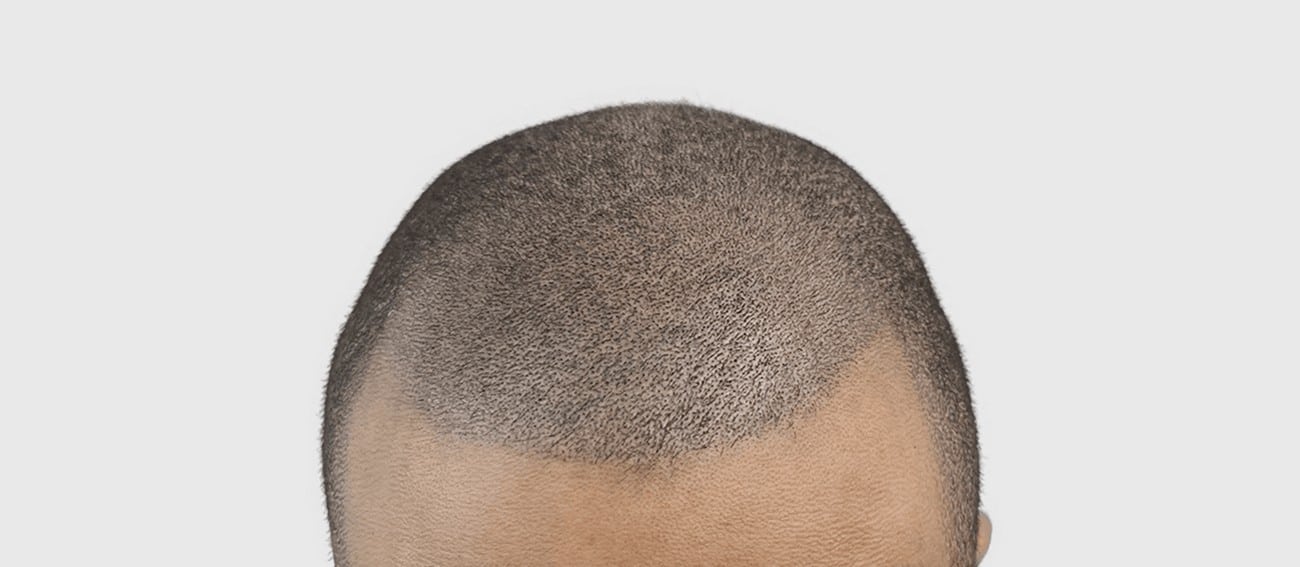
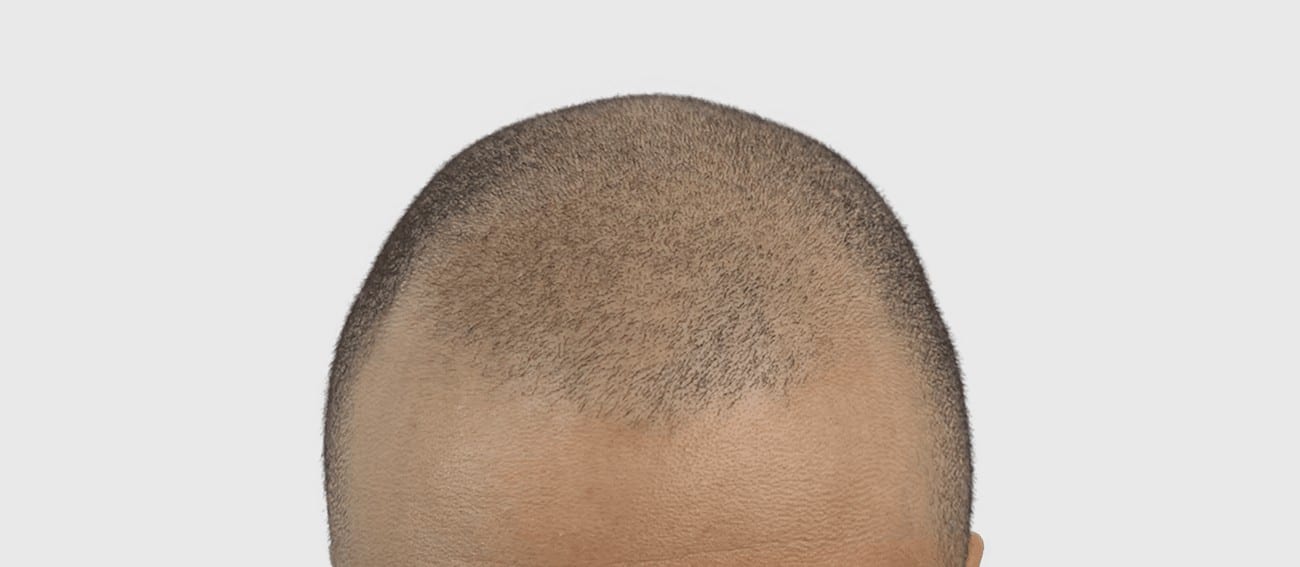
What Is Stem Cell Hair Restoration?
Stem cell hair restoration is a regenerative treatment approach that uses cellular material and signaling factors to support areas of thinning hair. The goal is to improve the environment around active hair follicles and support healthier-looking hair over time. This treatment is most often considered for patients who still have active follicles in the areas of concern. Stem cell hair restoration is not a one-size-fits-all treatment. At Maxim, your provider will evaluate your hair-loss pattern, scalp condition, goals, and treatment history before recommending whether this option is appropriate for you.
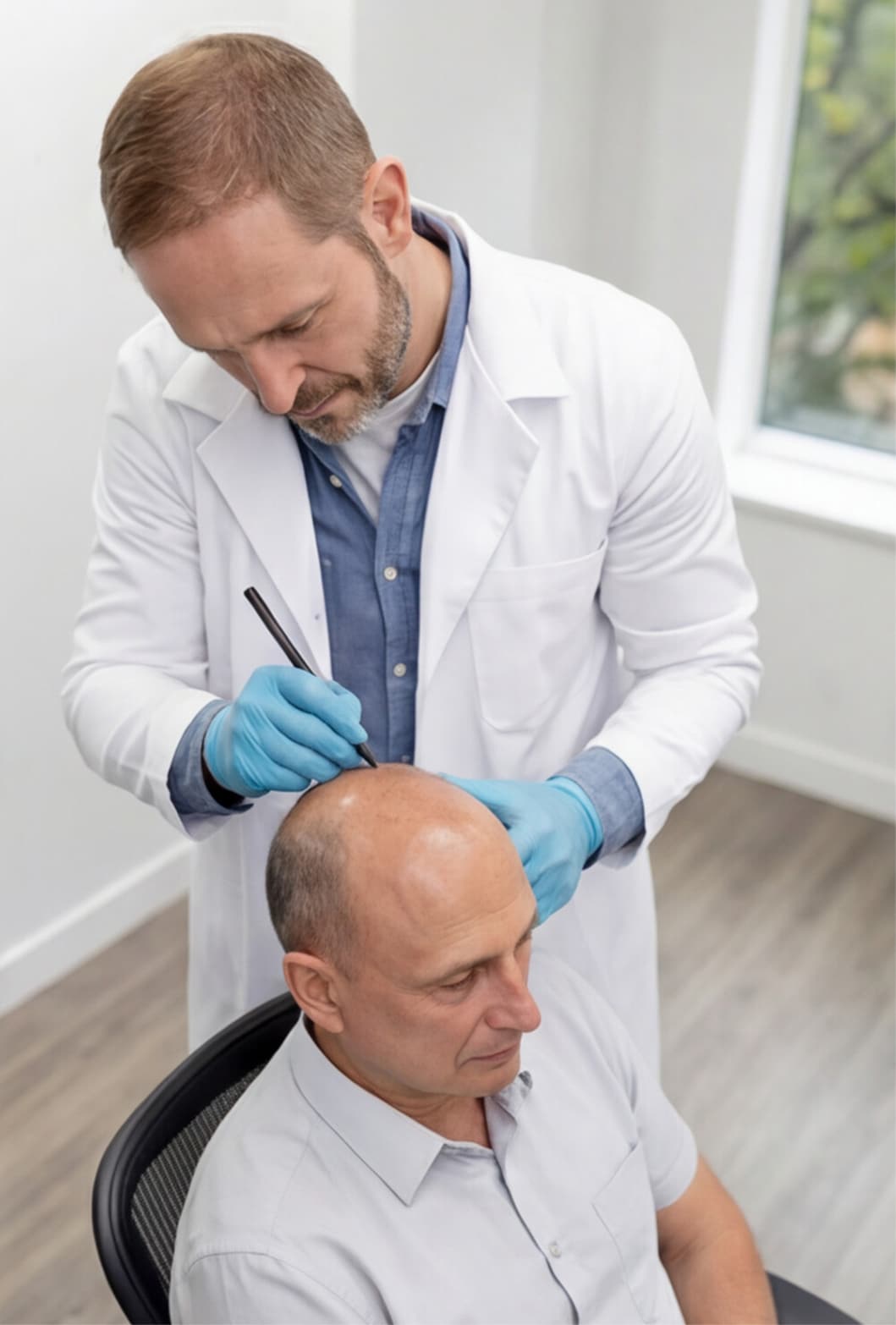
Allogenic and Autologous Stem Cell Options
At Maxim Hair Restoration, stem cell hair restoration may include allogenic or autologous options depending on the patient and treatment plan.
Our Gallery
Proven outcomes backed by experience and expertise with real client testimonials
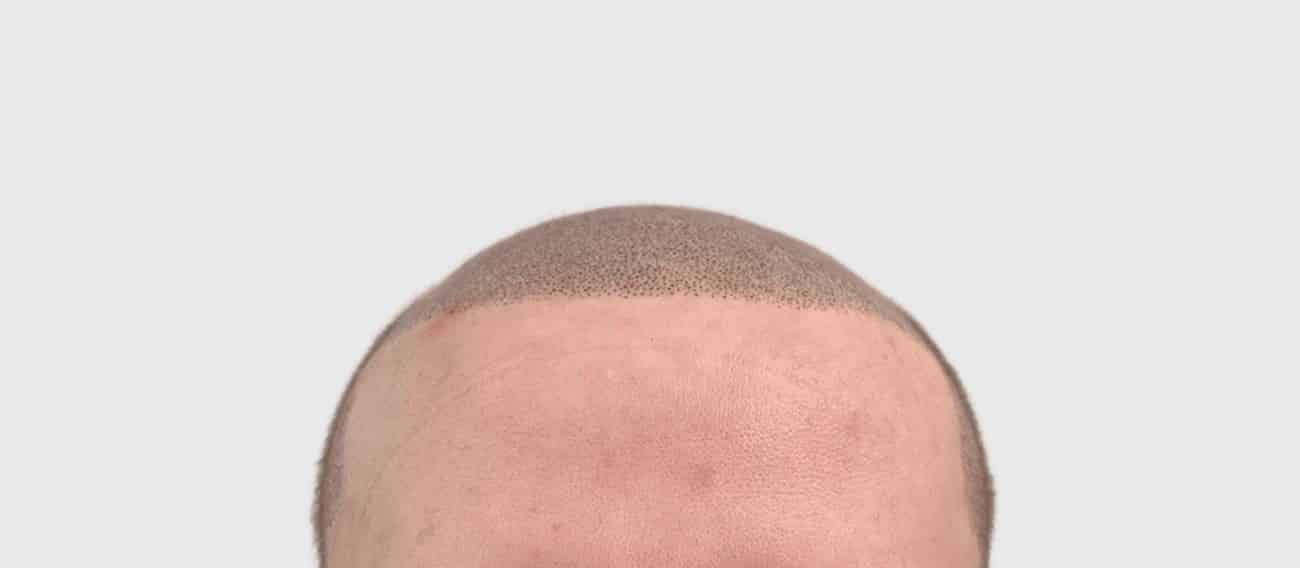
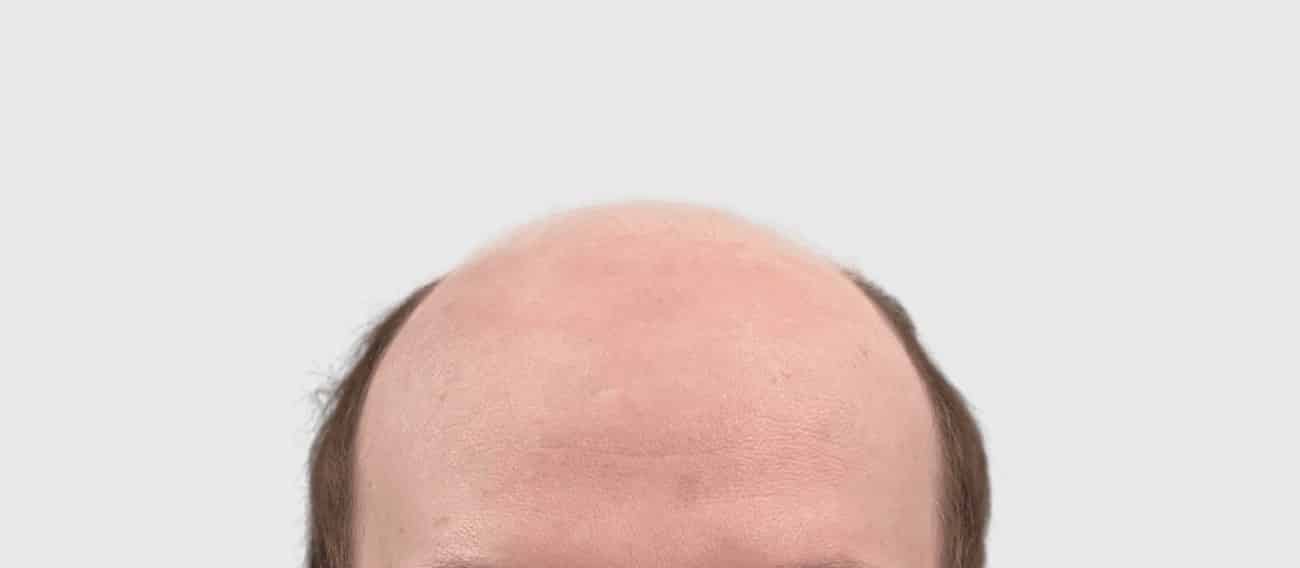
How Stem Cell Hair Restoration Works

Hair follicles rely on a healthy scalp environment, proper blood flow, cellular signaling, and consistent biological support. When hair begins to thin, the follicles may become weaker, smaller, or less productive over time.
Stem cell hair restoration is designed to support the scalp environment by introducing regenerative material into targeted thinning areas. The treatment may help support cellular communication, scalp health, and follicle activity in areas where follicles are still present.
Your provider will determine the appropriate approach based on your hair-loss pattern and treatment goals.
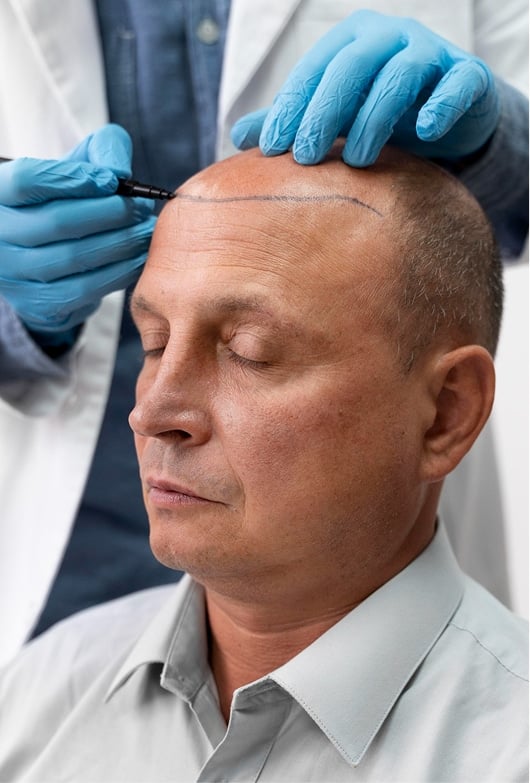
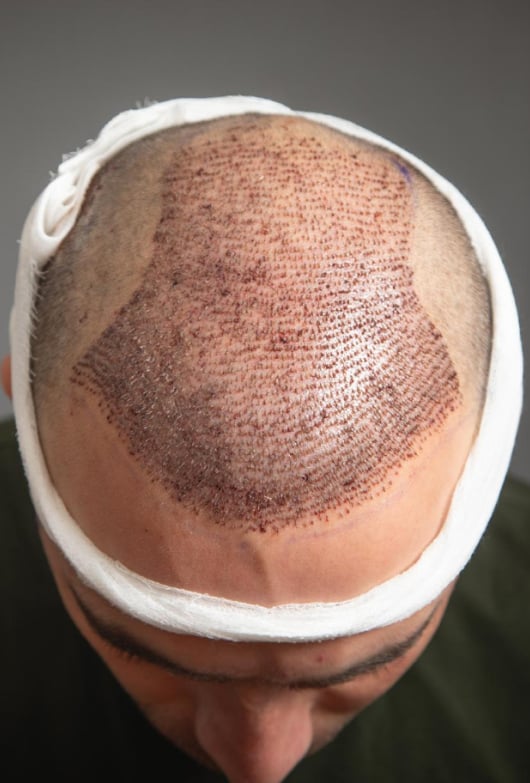
Who May Be a Candidate?

Stem cell hair restoration may be considered for:
- Men with thinning hair
- Women with thinning hair
- Patients with early-to-moderate pattern hair loss
- Patients who still have active follicles in thinning areas
- Patients who are not ready for a hair transplant
- Patients seeking a regenerative non-surgical option
- Patients looking to support existing hair
- Patients who may benefit from combination therapy with exosomes, PRP, PDO threads, or laser cap therapy
This treatment is typically not designed for areas where follicles are no longer active. A consultation is required to determine whether stem cell hair restoration is appropriate.
Contact us
Stem Cell Hair Restoration vs. Hair Transplant
Stem cell hair restoration and hair transplantation are different types of treatments.
A hair transplant physically moves hair follicles from one area of the scalp or body to another. Stem cell hair restoration is a non-surgical regenerative treatment designed to support existing follicles and thinning areas.
Some patients may be candidates for non-surgical treatment alone. Others may eventually benefit from a hair transplant. In some cases, non-surgical treatments may be used before or after a transplant as part of a broader plan.
What to Expect During Treatment
Your treatment experience may vary depending on your specific plan, but the process generally includes:

Consultation and Evaluation
Your provider will evaluate your hair-loss pattern, thinning areas, scalp condition, and goals.

Treatment Recommendation
Your provider will determine whether stem cell hair restoration is appropriate and whether an allogenic, autologous, or combination approach may be recommended.

In-Office Treatment
The treatment is performed in-office. Your provider will explain the preparation, treatment steps, and aftercare instructions before the procedure.

Gradual Progress
Hair restoration takes time. Changes, if they occur, typically develop gradually over several months.

Follow-Up and Maintenance Planning
Your provider may recommend follow-up visits or maintenance treatments depending on your response and long-term goals.
Can Stem Cell Hair Restoration Be Combined With Other Treatments?
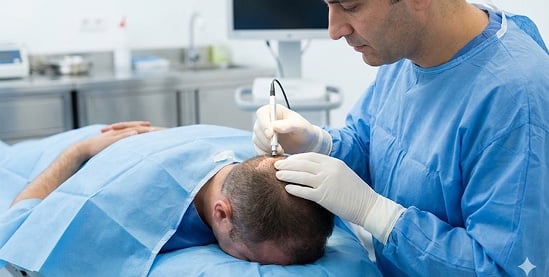
Yes. Depending on your goals and provider recommendation, stem cell hair restoration may be combined with:
- Exosome therapy
- PRP
- PDO threads
- Laser cap therapy
- Medical hair-loss treatments
- Hair transplant planning
Combination treatment may be recommended when your provider believes multiple approaches can support your overall hair restoration plan.
Why Choose Maxim for Stem Cell Hair Restoration?
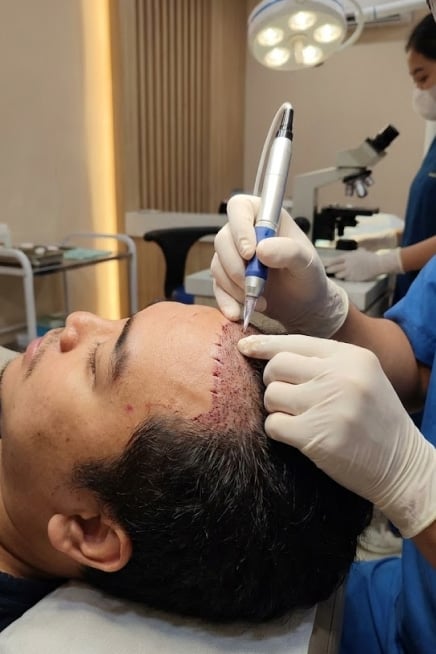
Hair Restoration Expertise
Maxim focuses on hair restoration, including both surgical and non-surgical options. This allows our team to evaluate your full range of treatment possibilities.
Personalized Treatment Plans
Your treatment is based on your hair-loss pattern, stage of thinning, goals, and preferences.
Advanced Non-Surgical Options
Maxim offers stem cell hair restoration alongside other non-surgical treatments such as exosomes, PRP, PDO threads, SMP, and laser cap therapy.
Consultative Approach
We help patients understand their options and choose a plan based on their individual needs rather than a one-size-fits-all recommendation.
Frequently Asked Questions
Helpful information to guide your hair restoration decisions.
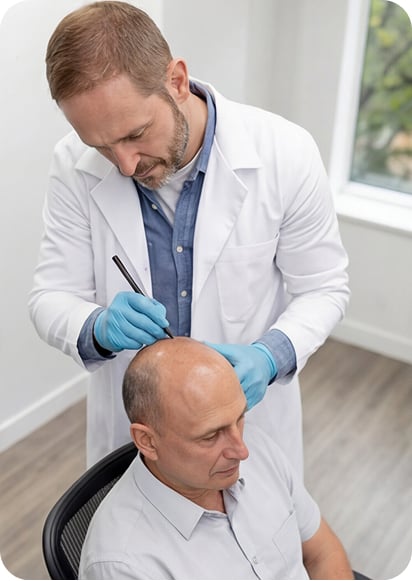
Find Out If Stem Cell Hair Restoration Is Right for You
The best way to determine whether stem cell hair restoration is appropriate is to start with a consultation.

Blogs
Insights, guides and updates from the world of hair restoration.